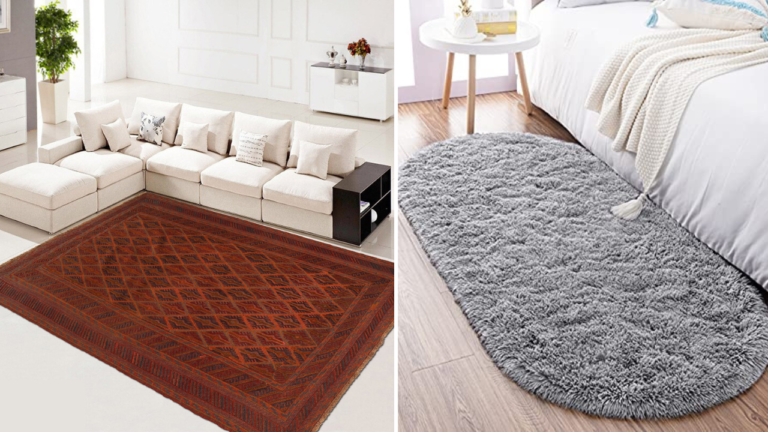
The New Dining Statement? It Starts Under the Table

People put a lot of thought into how their dining room looks. They want it to feel inviting, tidy, and a little special, too. Creating that “wow” factor often starts with what catches the eye, but it’s not always about what’s on the table.
There are many ways to make a strong style choice in the dining room. It could be the chandelier above, the chairs you pick, or the artwork on the walls. Still, one of the most effective—and often overlooked—design elements sits quietly under the table: a rug.
Rugs might not be the first thing that comes to mind, but they can completely transform the look and feel of a dining space. They add a soft layer that pulls everything together without trying too hard.
The Role of Rugs in Dining Spaces
Adding a rug under the dining table gives the room a more intentional and grounded feel. It helps define the space and separates it from other areas, especially useful in homes with open layouts. A thoughtfully placed rug makes the entire dining setup appear intentional and beautifully cohesive.
These dining room rugs subtly influence how people feel when they enter the room. They offer more than just colour or softness—they bring structure and balance to the dining area. Even a simple rug can enhance the best features of a table and set of chairs.
Rugs also help soften hard surfaces, reduce echoes, and add warmth to the room. Whether it’s a thick weave or a flat surface, having a rug underfoot adds comfort and makes the space more inviting for daily use.
Choosing the Right Rug
Selecting a rug for a dining room requires some thought. It’s wise to choose materials that can withstand a mess without causing you stress. Flat-weave rugs, synthetic blends, or low-pile options are all easy to clean and less likely to trap crumbs.
The rug’s colors and patterns should complement the room’s scale and lighting conditions. A dark carpet in a small space can make it feel more confined, while a pale one in a well-lit room can help open up the space. If the table is simple, a patterned rug can add a touch of energy and visual appeal.
Size matters too. The rug should be large enough to accommodate chairs, even when they’re pulled out. This maintains a stable seating arrangement and ensures a tidy, well-balanced layout. An undersized rug can disrupt the balance and proportions of the entire room.
Shape plays a part as well. Round tables tend to work best with round rugs, creating a sense of unity and harmony. Rectangular tables are also well-suited for rugs of a similar shape. This alignment reinforces a clean, intentional look.
Practical Benefits of Dining Rugs
Beyond style, rugs offer several practical benefits. One of the biggest is noise control. In dining areas with hard floors, sound tends to bounce around, especially during family meals or gatherings. A rug softens that echo and helps maintain a calmer atmosphere.
Rugs also protect floors from wear and tear. Constantly dragging chairs in and out can leave marks over time, but a rug provides a buffer between furniture and flooring. Even small spills are easier to manage with rugs made from stain-resistant or easy-to-clean materials.
Cleaning doesn’t have to be a hassle. Many modern rugs are designed to handle dirt and stains with minimal upkeep. Regular vacuuming, prompt spot cleaning, and selecting the right material can go a long way in keeping your rug looking its best. For homes with pets or kids, this makes rugs a brilliant choice.
Style Tips for Making Rugs Work
Start by considering the style of your room—it’ll help guide your rug choice. For modern spaces, look for clean lines and muted colours. A more traditional dining setup might benefit from detailed designs or classic patterns.
Not every rug needs to match the room perfectly. Contrast can work beautifully. A bold, colourful rug in a mostly neutral space can become a focal point, breaking up the palette in a way that still feels intentional. This method showcases the homeowner’s style while maintaining a balanced and uncluttered space.
Layering rugs is becoming more popular. Placing a textured or patterned rug over a simple base rug can create depth and character. This approach works exceptionally well in minimalist dining rooms, where layered rugs add visual texture without overwhelming the space.
Keep foot traffic in mind as well. For dining rooms used daily, look for rugs that stay in place and don’t bunch up. Adding a rug pad underneath helps prevent slipping and keeps the carpet from curling at the corners, making the room safer and tidier overall.
Final Thoughts
A good rug changes more than just the floor—it changes the whole feel of a room. It adds shape, comfort, and style in a way that’s easy to appreciate every day. The right rug doesn’t shout, but it always speaks clearly. This goes to say that sometimes, the strongest design statement is right under your feet.
Read More: What are the Best 6 Reasons to Plan a Stay at Sagar Hotel Bangalore?